If you have ever sat in a busy bar or restaurant, desperate for a bit of peace while a television blares away in the background, you might have wished for a magic wand to silence it. That wand exists, and it goes by the name TV-B-Gone. This pocket-sized gadget has quietly built a devoted following since its invention, and with several versions now available, choosing the right one can feel a bit bewildering. Let's have a proper look at what sets each model apart and how to work out which one deserves a spot in your pocket.
Key takeaways
- The TV-B-Gone is a specialized universal remote designed to turn off televisions in public spaces by emitting infrared power-off signals.
- Models are region-specific, meaning users must choose between North American or European versions to ensure compatibility with local television infrared frequencies.
- The device range varies significantly between the compact keychain edition and the Pro Super High Power (SHP) model, which is designed for larger venues and distant screens.
- Choosing between models requires balancing battery life and power output, as higher-powered versions may require more frequent maintenance or battery replacements.
- The form factor should be selected based on lifestyle, with keychain versions offering discreet portability while larger models provide a sturdier build and potential battery advantages.
- Successful use of a TV-B-Gone depends on matching the device to the specific needs of the environment and ensuring regional compatibility to avoid functionality issues.
Understanding the Original TV-B-Gone and Its Evolution
The classic tv-b-gone: where it all began
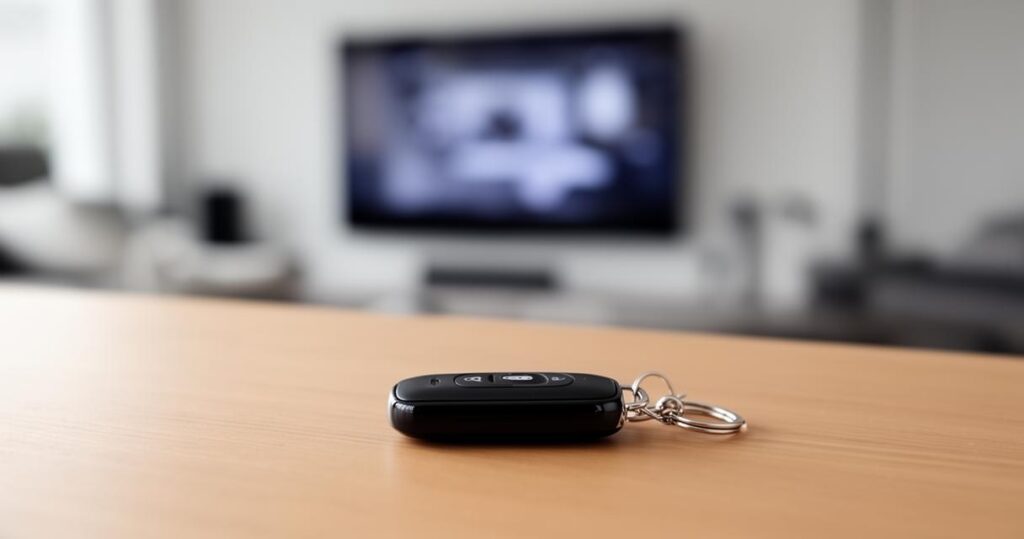
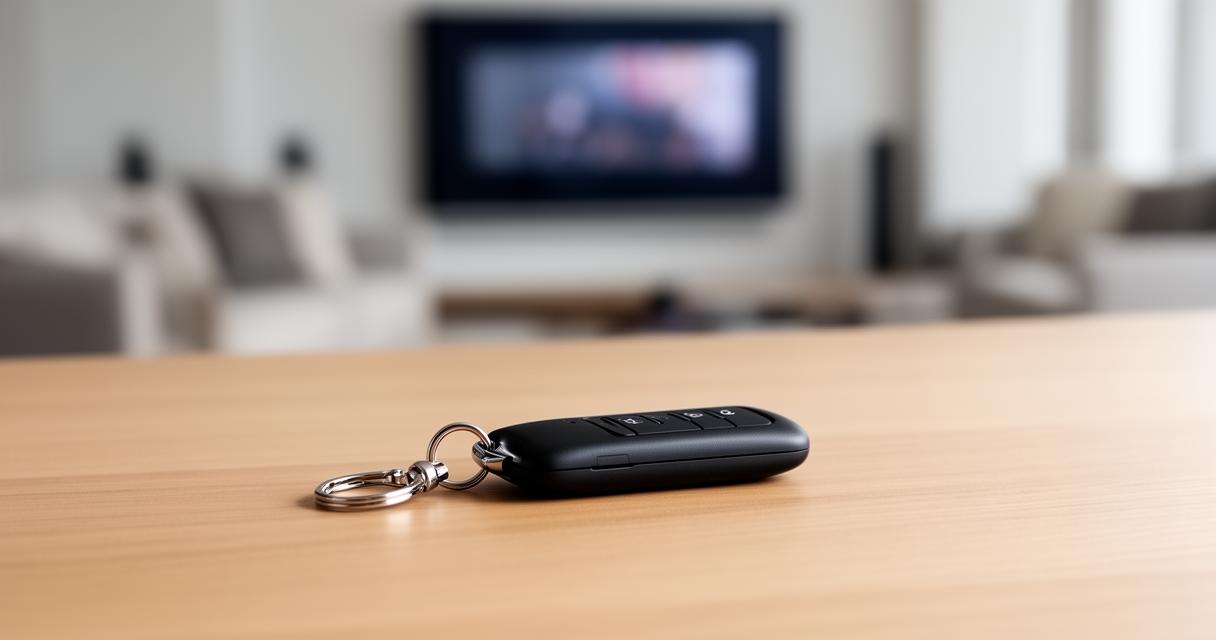
The story of TV-B-Gone starts with Mitch Altman, an inventor who created this clever little device as a kind of environmental management device. Rather than being just a gadget for pranks, it was designed with genuine purpose in mind, whether that be philosophical objection to constant screens, practical need for quiet, or simply a bit of fun among friends. The original TV-B-Gone works by emitting infrared light pulses that most televisions recognise as an off signal, and it's a universal remote control in the truest sense, built specifically to turn televisions off rather than on. Its small size means it slips easily into a pocket, making it just as useful in a noisy sports bar as it is at a ballpark or a busy restaurant.
North american vs european frequency models
One thing that often catches newcomers out is that television infrared frequencies are not universal across the globe. A TV-B-Gone built for North American sets won't necessarily work on European televisions, and vice versa. This is why the company produces region-specific models, ensuring that whichever side of the Atlantic you're on, your device will actually communicate with the local sets around you. When purchasing, it's worth double-checking which region your model is intended for, since a mismatch could leave you with a device that simply doesn't respond to the televisions in your area. This regional split also ties into broader questions of device compatibility, which becomes even more relevant when comparing the various product tiers on offer.
Comparing tv-b-gone pro and standard editions
Battery life and power output differences
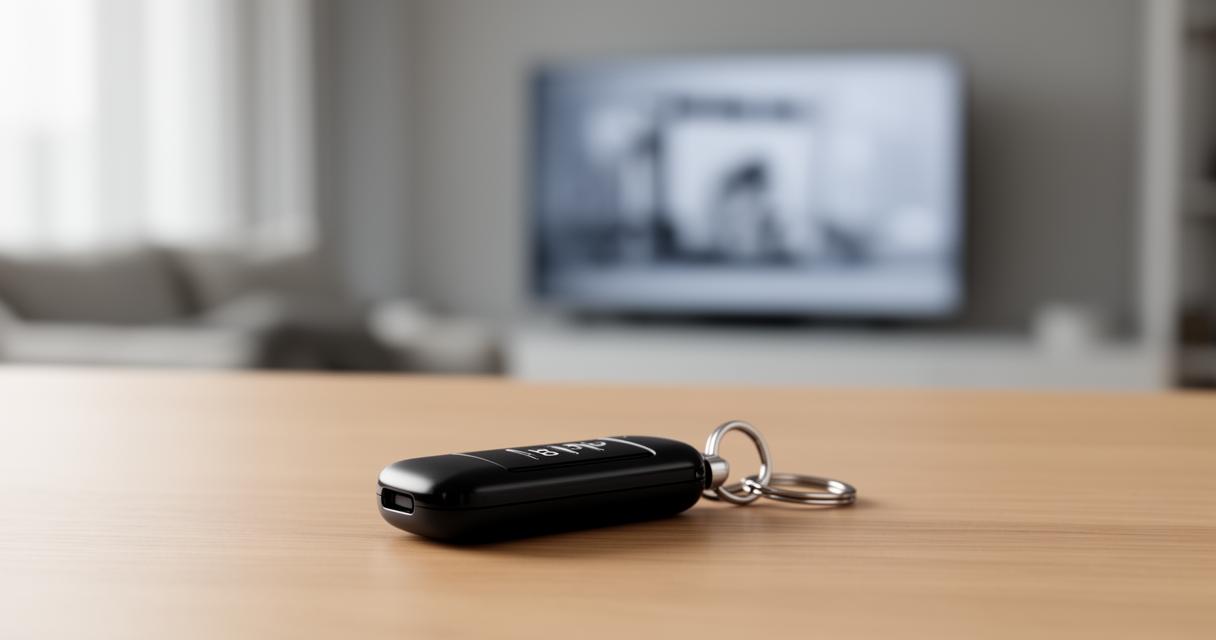
Beyond regional variants, the TV-B-Gone range splits into different power tiers, and this is where things get genuinely interesting for anyone wanting more than the basics. The standard TV-B-Gone Keychain does its job well enough for everyday situations, but the Pro Super High Power version, often shortened to SHP, pushes things considerably further. It's built for people who want reliability in trickier settings, perhaps a large sports bar with dozens of screens mounted high on the walls, where a weaker signal simply wouldn't reach. The trade-off tends to be battery life versus punch, and anyone serious about using their device regularly should weigh how often they're prepared to swap or recharge batteries against how much raw power they actually need.
Range capabilities across different variants
Range is arguably the single biggest differentiator between the various TV-B-Gone models. The keychain edition is compact and discreet, ideal for casual, close-range use, but it naturally can't compete with the SHP version when it comes to distance. If you're regularly finding yourself in large open spaces filled with screens, the extra range of the more powerful model becomes genuinely useful rather than a mere luxury. It's a similar logic to comparing standard universal remotes more broadly; for instance, a programmable remote like the Sofabaton X1S, which controls up to sixty devices and comes with a rechargeable battery, is built for power users who need serious reach and flexibility, whereas something like the Acoyer Universal Remote, a basic option controlling just three devices, suits those who want simplicity above all else.
Selecting the Right TV-B-Gone for Your Requirements
Form factor considerations: keychain vs standard size
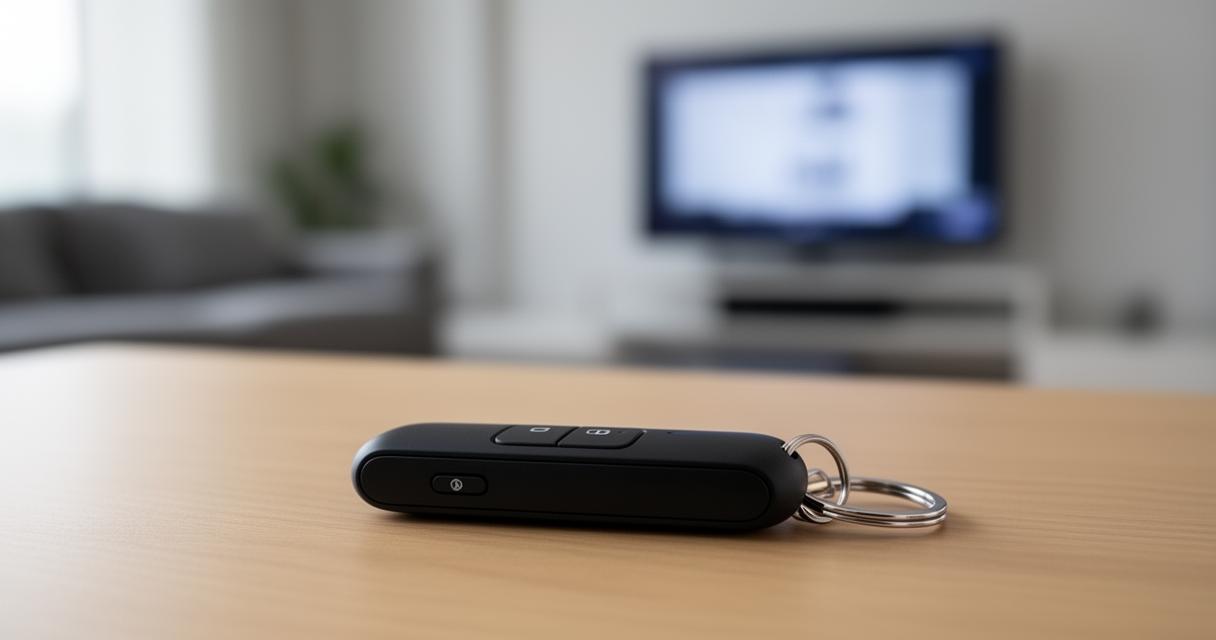
Choosing between the compact keychain remote and a larger standard-sized model often comes down to lifestyle rather than technical specification. If you're someone who's out and about, popping into various venues throughout the week, the compact design of the keychain version means it's always within reach without adding bulk. On the other hand, if you tend to use your device from a fixed position, such as your own living room in a shared household, the standard size might suit you better thanks to a sturdier feel and sometimes a stronger internal battery. It's worth noting that this same principle applies across the wider world of universal remotes; the GE 4-Device 48844, priced at just twelve pounds, offers a budget-friendly compact design perfect for straightforward needs, while something like the Sofabaton U2, complete with an LCD screen display and the ability to control up to fifteen devices, suits those wanting a bit more sophistication for around eighty pounds.
Regional compatibility and television brand coverage
No matter how powerful or elegant your chosen device is, it counts for nothing if it doesn't actually work with the televisions around you. This is why checking regional compatibility and brand coverage before buying is so important, whether you're looking at TV-B-Gone specifically or broader multi-device control remotes designed for streaming boxes and smart televisions. The Philips SRP2024A/27, for example, is tailored specifically for Fire TV and Roku users, making it a sensible pick if that's your primary setup, whereas other remotes cast a wider net across numerous brands. Setup complexity also varies considerably between models; simpler devices tend to work straight out of the box with minimal fuss, while more advanced options require a bit of patience to programme fully, though the reward is often a more tailored and satisfying experience once everything is configured correctly. Ultimately, whether you're after a discreet keychain gadget for quiet nights out or a premium remote bristling with features, taking a moment to consider your typical environment, your patience for setup, and your budget will steer you towards the model that fits your life best. And if you're keen on cutting down overall screen time, some of these companies even offer dedicated screen timers alongside their remotes, plus the occasional discount for signing up to their newsletter, which is a nice little bonus for anyone ready to take the plunge.