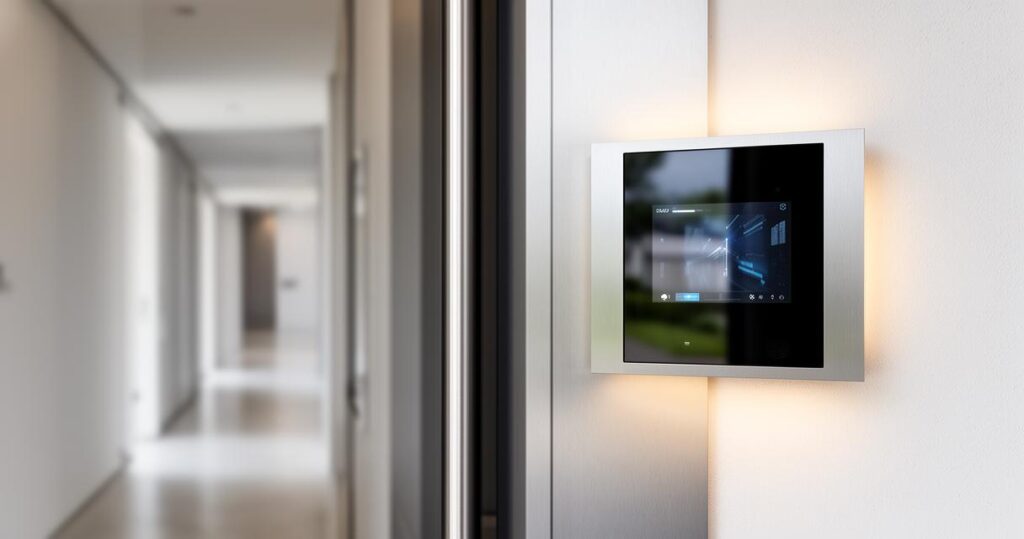
Modern buildings rely heavily on a well-functioning communication system at their entrance, and this is precisely where the humble yet clever intercom proves its worth. Far from being a mere buzzer, this technology has grown into an indispensable tool for managing visitors, safeguarding residents, and streamlining everyday life within blocks of flats, offices, and private homes alike.
At a glance
- Modern intercom systems have evolved from simple audio buzzers into sophisticated hubs for building management, communication, and security.
- Intercoms provide significant convenience by allowing residents to verify and grant access to visitors, deliveries, or tradespeople from within their homes.
- Integrating cameras and electric locks into intercom systems enhances security by enabling visual verification of callers and controlled building access.
- Wired systems offer reliable, robust performance for simple needs, while video systems provide added peace of mind through visual confirmation.
- GSM-based intercom technology enables remote communication and access control via mobile networks, offering flexibility for frequent travelers or property managers.
- Proper strategic planning of system layout and connectivity is essential to avoid communication dead zones and ensure reliable performance in larger buildings.
- Regular maintenance of hardware components is necessary to prevent wear and tear and ensure the long-term functionality of the building's security system.
The Evolution and Core Utility of Intercom Systems in Modern Buildings
The story of the intercom is one of steady transformation, moving from a simple audio-only buzzer to a sophisticated hub of communication and security. What began as a basic means of announcing a caller at the door has become a central feature of building management, particularly in blocks of flats where dozens of households need a reliable way to screen visitors before granting entry. The core utility remains unchanged at its heart, though: it bridges the gap between someone standing outside and the person inside who decides whether to let them in.
Enhanced communication and visitor management capabilities
One of the most valued aspects of an intercom is how it simplifies the process of receiving guests, deliveries, and tradespeople. Rather than descending several flights of stairs or fumbling with keys, residents can simply speak through a handset or panel to confirm who has arrived. This is especially useful in larger developments where co-owners share a communal entrance, as it removes ambiguity about who is responsible for answering the door. The convenience extends further still, with many systems allowing conversations to be held from virtually any room, ensuring nobody misses an important delivery simply because they were in the kitchen rather than near the front door.
Security benefits through controlled access and monitoring
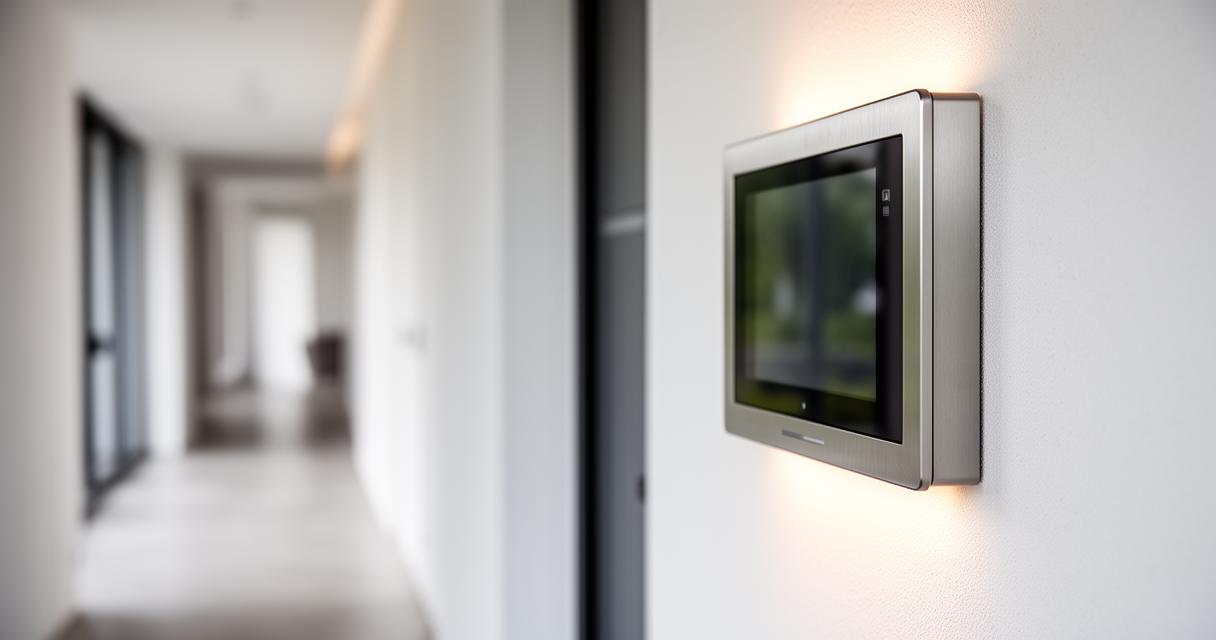
Beyond convenience, the security dimension of an intercom cannot be overstated. By incorporating features such as cameras and electric strike mechanisms, these systems grant residents the ability to visually verify a caller before deciding whether to unlock the door. This controlled access acts as a genuine deterrent to unwanted visitors and provides peace of mind, particularly for those living alone or in properties with multiple entry points. The combination of audio and visual confirmation means fewer surprises and a stronger sense of safety for everyone within the building.
Types of Intercom Systems: Wired, Video, and GSM Technologies
Not all intercoms are created equal, and understanding the distinctions between the various types available helps in choosing the right fit for a particular property. From traditional wired setups to more advanced video and mobile-based solutions, each option brings its own strengths depending on the scale and requirements of the building in question.
Comparing wired and video intercom functionalities
Wired intercoms remain a dependable choice for many properties, offering a straightforward audio connection between the entrance panel and individual handsets inside. These systems tend to be robust and require minimal fuss once properly installed, making them a sensible option for smaller buildings or those with simpler needs. Video intercoms, on the other hand, add a visual layer to the exchange, allowing residents to see exactly who is at the door before responding. This extra reassurance has made video systems increasingly popular, particularly in settings where security is a heightened concern or where residents want that added layer of certainty before opening the door to a stranger.
Remote communication advantages with gsm intercom solutions
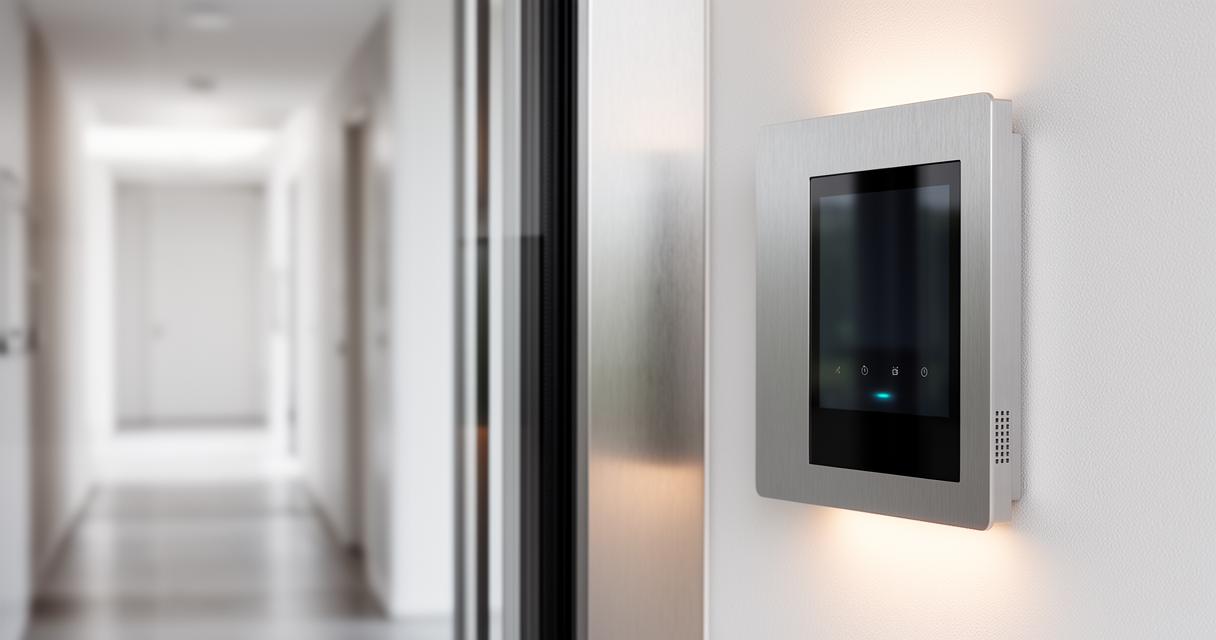
GSM intercom technology has introduced a genuinely useful shift in how access can be managed. Rather than being tethered to a fixed handset within the property, these systems allow communication via mobile networks, meaning co-owners or residents can answer calls and even unlock doors remotely, wherever they happen to be. This proves particularly handy for those who travel frequently or manage rental properties, as it removes the need to be physically present to grant access to a visitor or tradesperson. The flexibility offered by GSM solutions has made them a compelling choice for landlords and busy households alike.
Installation, Integration, and Maintenance of Intercom Systems
Getting the installation right is just as important as choosing the correct type of intercom, since a poorly planned system can lead to patchy connectivity or frustrating blind spots. Equally, ongoing care ensures that the investment continues to serve its purpose for years to come rather than falling into disrepair.
Strategic Planning for Intercom Panel Layout and Connectivity
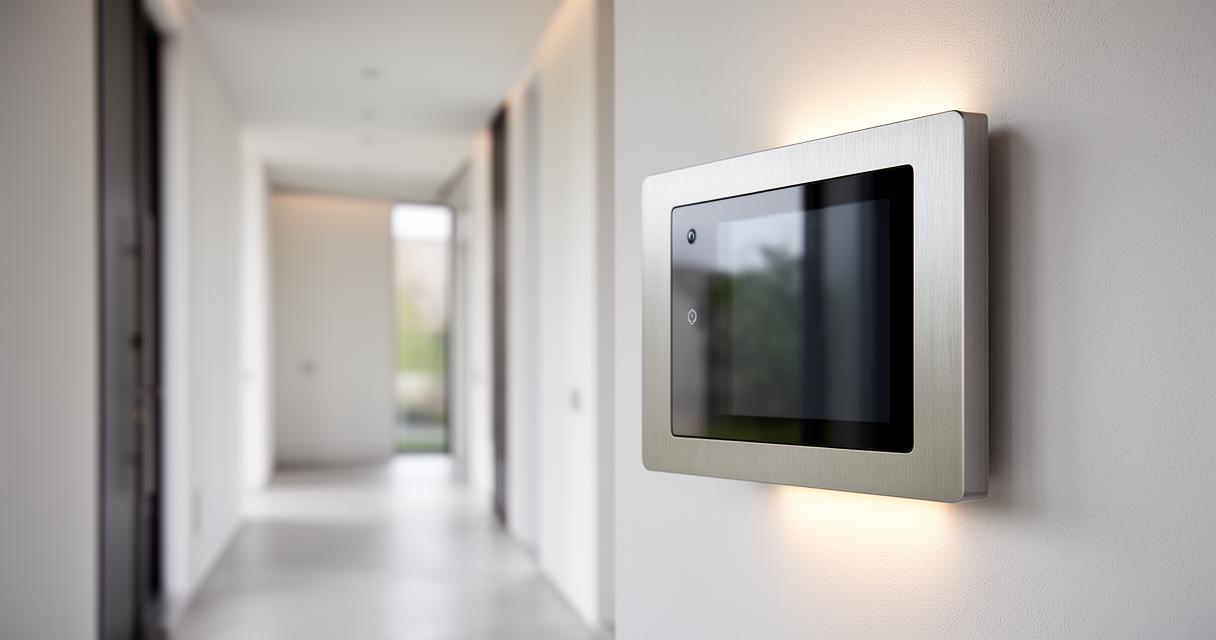
Before any wiring goes into the walls, careful thought must be given to where the entrance panel will sit and how signals will travel throughout the building. In larger properties, this often means considering the distance between the panel and individual units, as well as ensuring that wires or wireless signals can reach every corner without degradation. A well-planned layout avoids the common pitfalls of dead zones or unreliable connections, which can otherwise undermine confidence in the entire system.
Essential Components and Maintenance Practices for Optimal Performance
Understanding the various parts that make up an intercom system, from the handset and wiring through to the compatibility between different components, is essential for anyone overseeing installation or upkeep. Over time, wear and tear can affect performance, so routine maintenance checks help catch issues such as loose connections or faulty cameras before they become larger problems. Keeping these systems in good working order ensures that residents continue to benefit from reliable communication and security, reinforcing why the intercom remains such a valued fixture in contemporary building design.