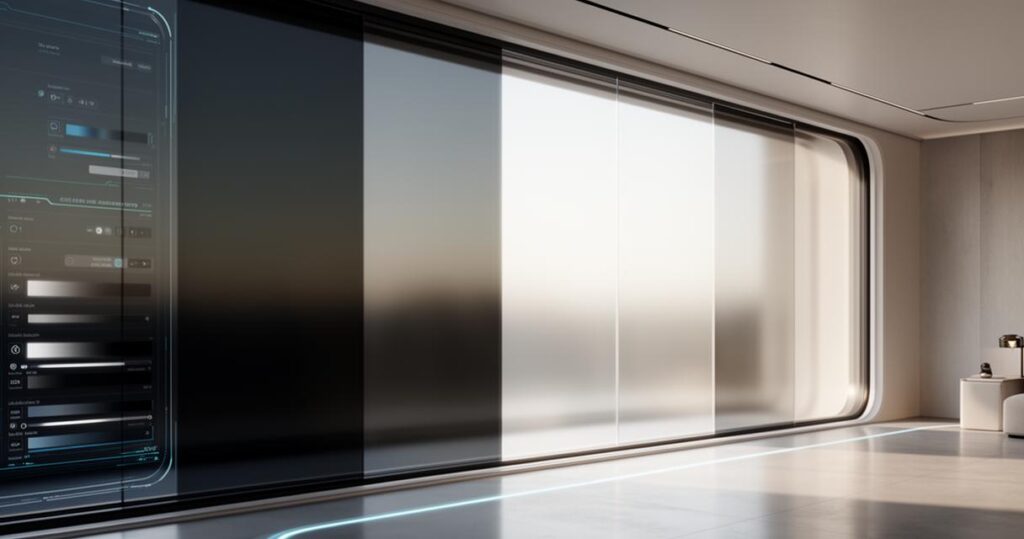
The world of car window tinting is undergoing a quiet revolution, and it's all thanks to a piece of kit that would have seemed like science fiction not so long ago. The tinted window simulator has emerged as a game-changing tool, allowing motorists and fitters alike to preview shades and finishes before a single strip of film touches the glass. It's a shift that speaks to a much bigger story about how technology is reshaping an industry that's been evolving steadily since the early days of automotive customisation.
Key takeaways
- The tinted window simulator allows customers to preview different shades and finishes on their own vehicle before the physical installation begins.
- Modern simulation software accurately models light interaction with advanced film types, including spectrally selective coatings that improve energy efficiency.
- By enabling informed decision-making, these digital tools reduce the need for costly rework and ensure that the final result meets consumer expectations.
- The integration of AI-driven window tint plotters and digital pattern cutting systems has significantly reduced installation times and material waste.
- Augmented reality applications are emerging as the next step in the industry, allowing for convenient on-the-go tint visualization via smartphones.
- Professional tinting shops are doubling their installation capacity by adopting high-tech equipment like laser cutters, which also helps mitigate the impact of skilled labor shortages.
Understanding tinted window simulator technology and its revolutionary impact
How Digital Simulation is Changing the Traditional Tinting Experience
Gone are the days when choosing a tint shade meant flicking through a paper swatch book and hoping for the best. Digital simulators now let customers upload a photo of their own vehicle and experiment with different depths of tint, seeing exactly how the finished look will appear before committing. This is a far cry from the trial-and-error approach that once dominated the trade. It's worth remembering that window tinting history stretches back to the early 1960s in the USA, when the goal was simply to reduce glare and heat. By the 1970s, tinting had become something of a luxury item within the automotive industry, and by the 1980s and 1990s it had spread into homes and commercial premises as people cottoned on to its energy-saving potential.
The science behind advanced window tinting visualisation tools
Modern simulators don't just show a darker pane of glass; they model how light interacts with different film types, including those with Low E coatings that improve energy efficiency and the more advanced spectrally selective coatings introduced in the 2000s for superior heat and glare control. These innovations tie directly into today's push towards sustainability, with manufacturers keen to demonstrate how their products cut down on unwanted solar heat gain without sacrificing visibility. Companies such as Tintfit Window Films, established 1996 and based in Washington, Tyne & Wear, have built their reputation on staying ahead of these developments, offering everything from PPF paint protection film to nano ceramic window films and dedicated safety films for those wanting extra peace of mind.
Key Advantages of Using High-Tech Tinted Window Simulators for Vehicle Owners
Making informed decisions before committing to your tint shade
One of the biggest draws of simulator technology is the confidence it gives buyers. Rather than guessing how a particular shade might look against their car's paintwork, customers can compare options side by side and make a properly informed choice. This reduces the likelihood of costly do-overs and ensures the final result matches expectations. Many suppliers, including established names in the trade, back this up with reassurances such as a price promise to match any like-for-like quote, giving buyers extra confidence that they're getting fair value alongside a professional fitting service carried out by experienced technicians.
Cost savings and time efficiency through virtual tinting previews
Beyond the aesthetic benefits, there's a genuine financial case for using these tools. Getting the decision right first time avoids wasted film and repeat labour, which matters when you consider that same day dispatch is often available for orders placed before 2.30pm on weekdays, and free delivery UK-wide applies to mainland orders over fifty pounds. Trade discounts for registered users sweeten the deal further, meaning that both individual motorists and commercial fitters can plan their purchases with far greater precision than before.
The Future of Automotive Window Tinting with Cutting-Edge Simulation Software
Integration with Mobile Applications for On-the-Go Customisation
The next frontier involves bringing this technology straight to smartphones. AR augmented reality apps are already being trialled to let customers point their camera at their own car and see a realistic tint preview instantly, no appointment required. This kind of on-the-go customisation is expected to become standard practice, particularly as installation automation continues to mature. Alongside visualisation, the industry is embracing AI window tint plotters that dramatically improve installation speed and accuracy, cutting typical fitting times from six to eight hours down to just two or three.
This matters enormously given the ongoing skilled labour shortage affecting roughly a quarter of tint shops across the country. Automation is helping bridge that gap, with digitally generated pattern cutting systems reducing material waste to under five percent and cutting trimming errors by as much as ninety-five percent thanks to precise glass shape mapping.
How professional tinting services are adopting simulator technology
Forward-thinking fitters are investing in next-generation equipment including high-precision laser cutters, digital alignment projectors, and pattern cutting systems that slash training time for new staff. Some shops report that installation capacity has effectively doubled, allowing up to six vehicles to be completed in a single day rather than the two or three previously possible. Entry-level plotter bundles typically cost between ten and twenty thousand pounds, a sum that many operators recoup quickly through improved profitability, with labour costs potentially falling by around forty percent once the system beds in. Quick two-day certification courses make it straightforward to upskill teams, provided they focus on using compatible films to avoid damaging expensive equipment.
As commercial window tinting continues to grow alongside demand for better heat control and glare reduction, it seems clear that the marriage of simulation software and physical installation technology isn't just a passing trend. It's fast becoming the new standard for an industry that's spent six decades refining how we keep our cars, and our comfort, protected from the sun.